Hotline:15078906688
E-mail:282911489@qq.com
- All
- Product Management
- News
- Introduction
- Enterprise outlets
- FAQ
- Enterprise Video
- Enterprise Atlas


Blog
BEIHAI YUEDA FRP PRODUCTS
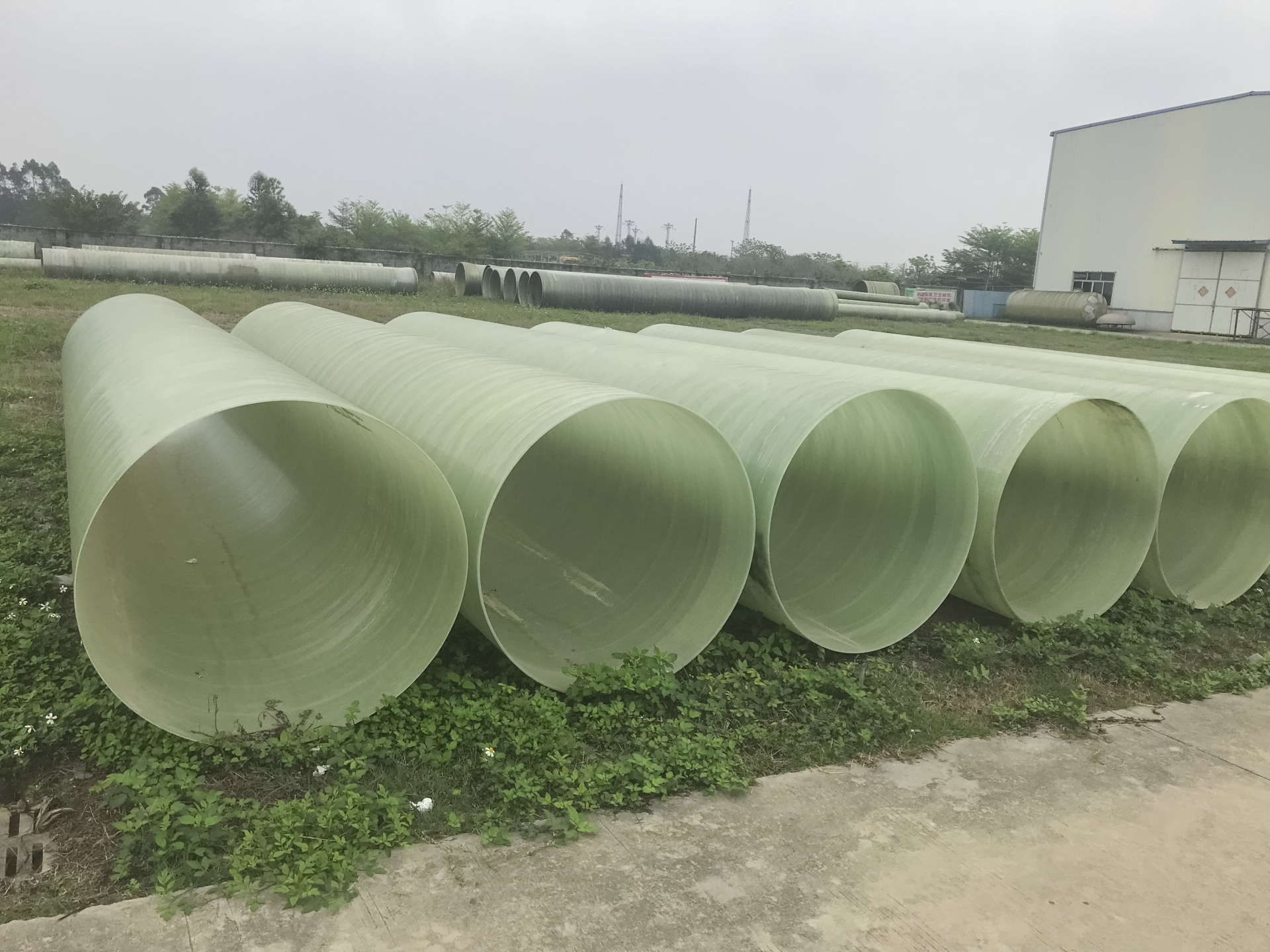
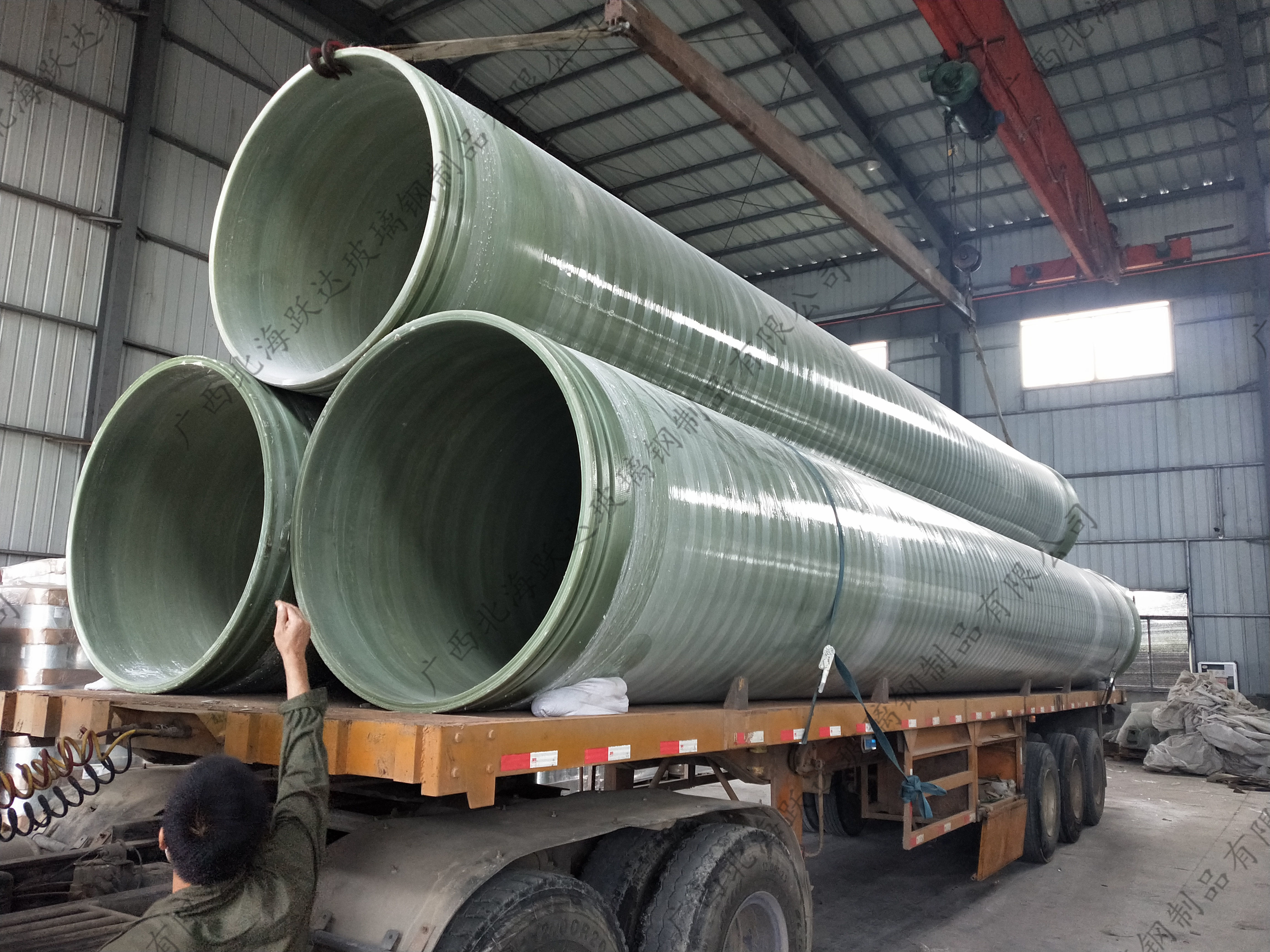
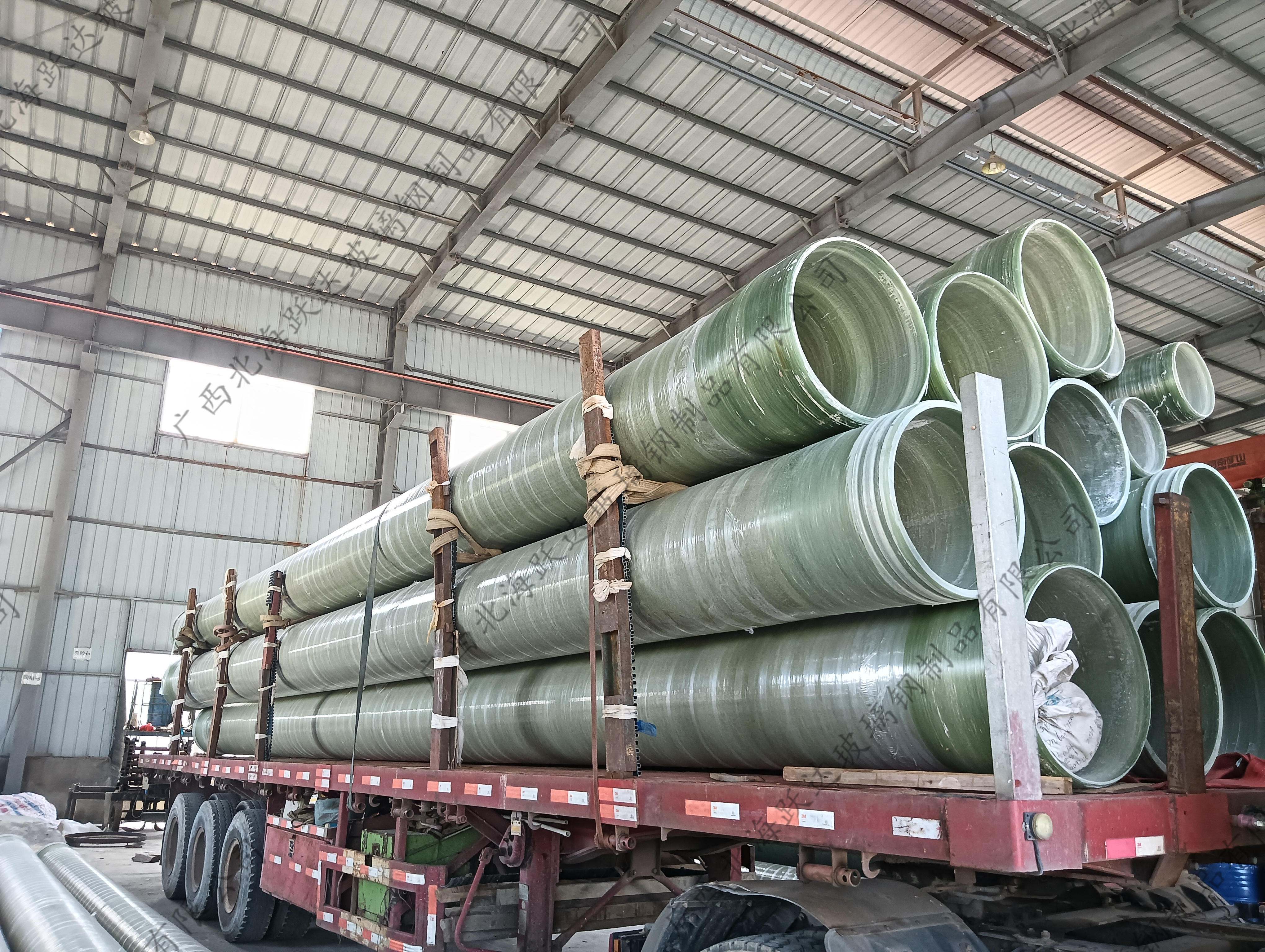
If the matchsticks are a bit tight, they can be tapped with a wooden mallet, and part of the pipe marking should fit perfectly into the pipe fitting's port number. After assembling the fiberglass sand pipe fittings, the coaxiality and flatness of the pipes should be adjusted. When selecting backfill material, care should be taken to avoid the displacement of the backfill material. The backfill material should be compatible with the original soil to ensure that it is not washed away or mixed with the original soil, and to prevent the original soil from mixing into the backfill material. If such a situation occurs, the pipe will lose some support, making it prone to deformation, which will affect the normal operation of the pipe.
2022/12/02
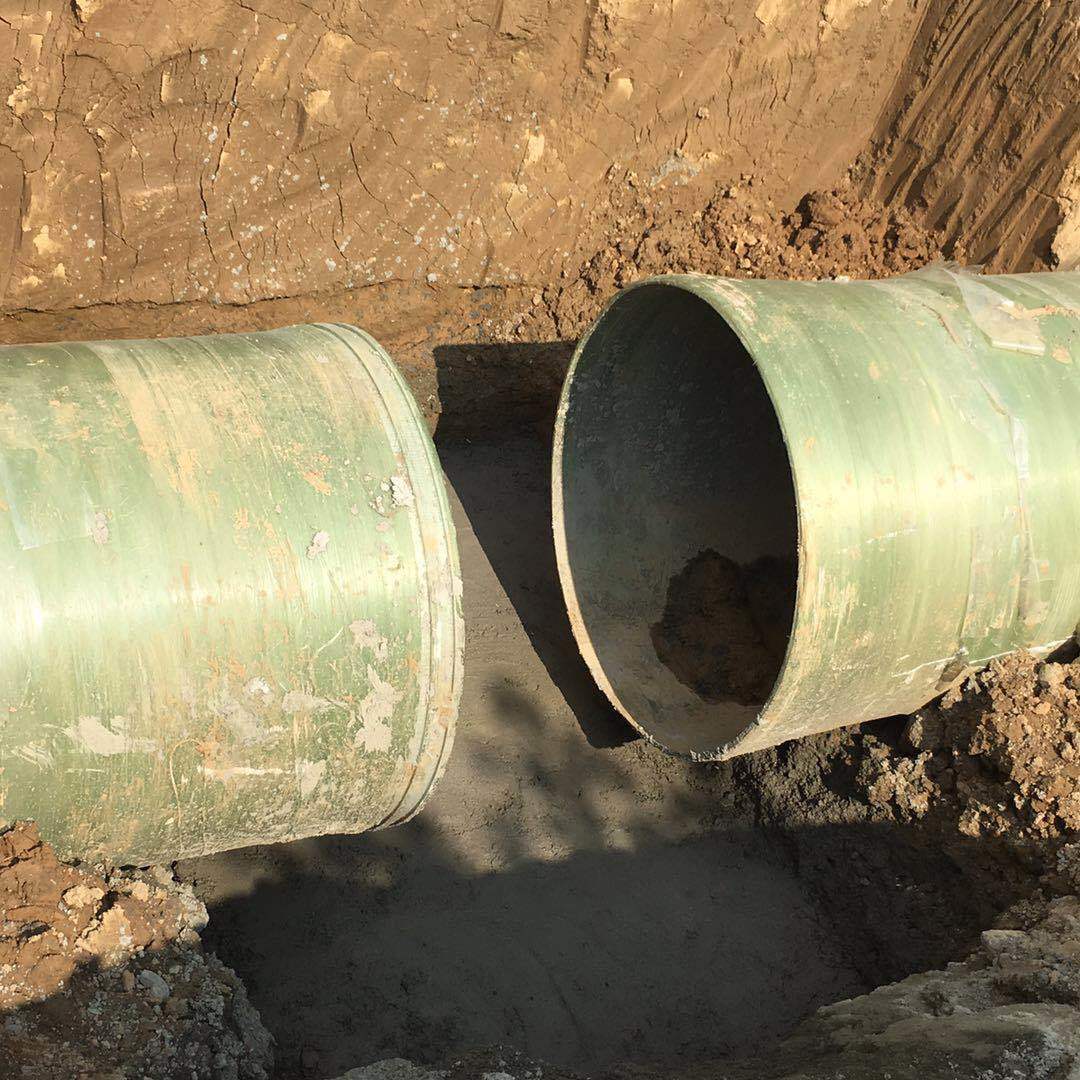
The fiberglass reinforced sand pipe has excellent water pressure resistance, compressive strength, and impact resistance. It can be laid according to different geographical conditions and can be designed and produced according to customer requirements for pressure in pipes and fittings. Through in-depth research, fiberglass reinforced sand pipes are widely used in the chemical manufacturing industry for acids, alkalis, salts, etc.; they also have good corrosion resistance.
2022/11/22
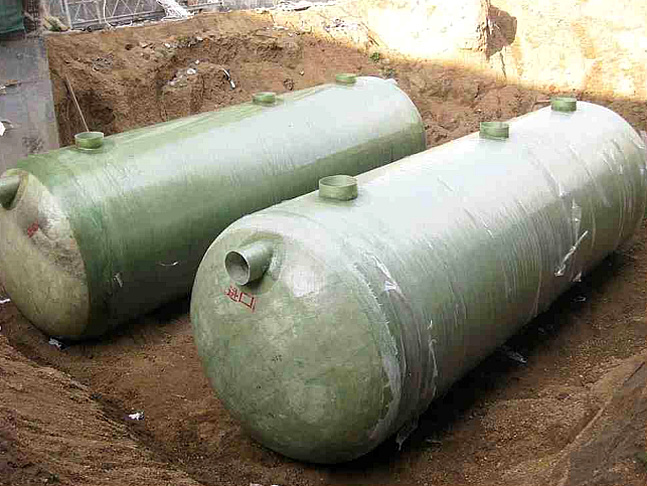
A Powerful Tool for New Rural Construction - Fiberglass Septic Tank
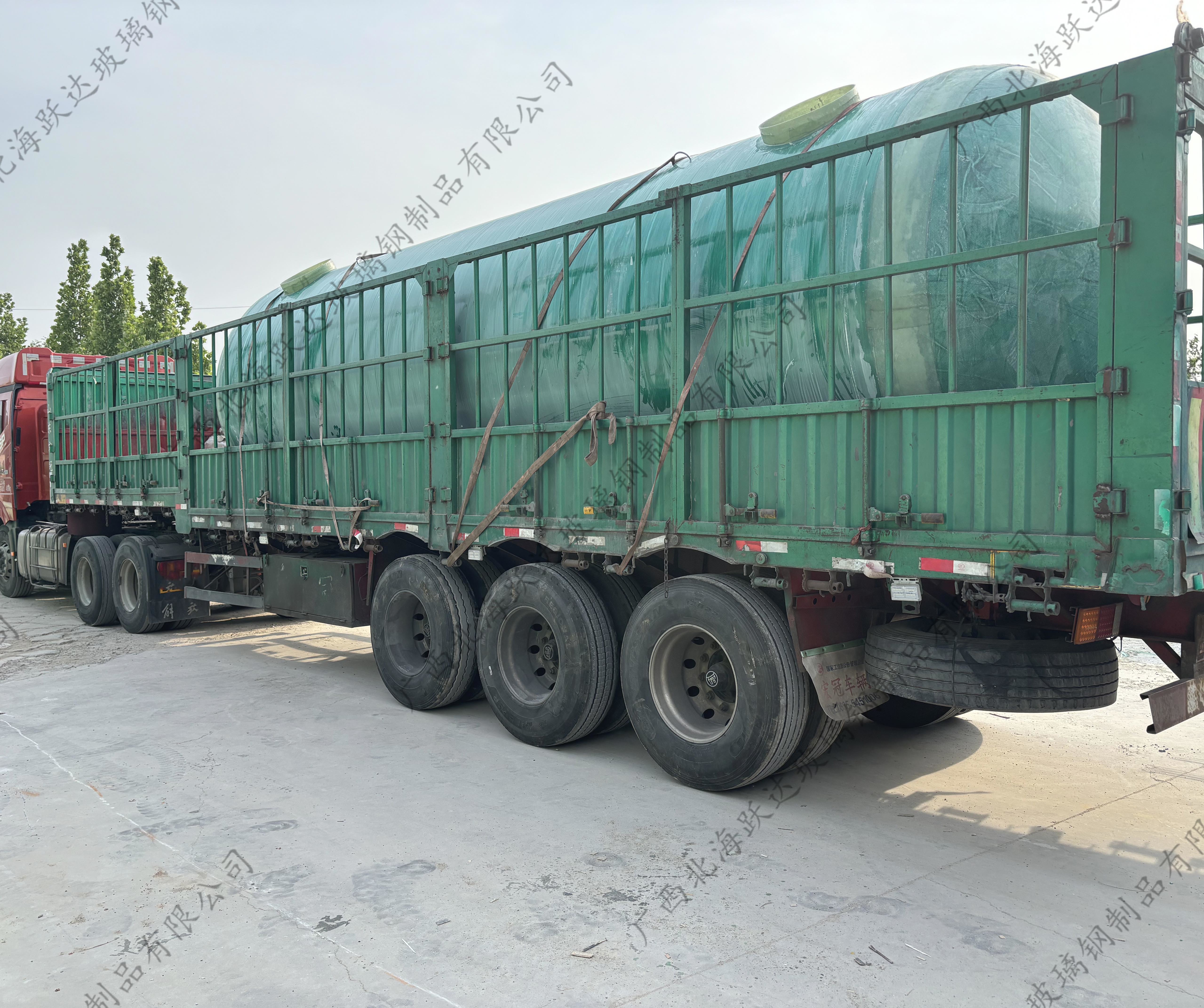
The construction of new rural areas is a key focus at present, and accelerating rural development is also a crucial aspect of achieving modernization. Improving the lives of farmers has been a consistent goal of our country. However, the treatment of "manure" in rural areas has always been a significant challenge. If not utilized properly, it becomes a barrier to development; if utilized well, it can promote economic growth. Although it may seem like just a small amount of "manure," it holds immense potential energy. For rural residents with lower educational levels, the best approach is to help them design simple and easy-to-use tools. Currently, efficient tools for utilizing "manure" have been developed, such as fiberglass septic tanks. Fiberglass septic tanks have a strong waste treatment capacity, being 4 to 6 times more effective than traditional septic tanks, and they operate much faster than manual methods. The most significant advantage is that fiberglass septic tanks require a one-time investment for lifelong use, effectively solving problems for decades with a single expenditure. While the initial investment in fiberglass septic tanks may seem higher than that of ordinary tanks, it is cost-effective in the long run, especially as labor costs continue to rise. The design of fiberglass septic tanks is cylindrical, which provides better pressure resistance in mechanics. The entire body of the tank is painted to further prevent corrosion, and the tanks are made as a single, wound product, enhancing their sealing capabilities and ensuring they never leak. Additionally, fiberglass septic tanks occupy a small footprint, allowing for flexible site selection and effectively saving land resources. For farmers, land is of utmost importance as they rely on it for their livelihood. If too much land is occupied, farmers will certainly oppose it. Finally, regarding installation, professional personnel will assist with the installation, and maintenance is convenient afterward. It is evident that fiberglass septic tanks are indeed a powerful tool for the construction of new rural areas. Guangxi Fiberglass Products Co., Ltd. is a professional manufacturer of fiberglass products, and our products are highly praised by users. We welcome inquiries by phone.
2022/11/22
What should be noted when installing fiberglass reinforced sand pipes?
Fiberglass reinforced sand pipes and fiberglass cable pipes are both part of the fiberglass series products. They not only inherit the excellent characteristics of fiberglass but also have their own unique advantages. Below are some points to pay attention to when installing fiberglass reinforced sand pipes. I hope this will provide you with better assistance when making your selection.
2022/11/02
What are the precautions to take when installing fiberglass reinforced sand pipes?
During the construction of fiberglass reinforced sand pipes, the excavation of the foundation trench, pipe installation, and backfilling should be carried out as continuously as possible. In addition to these, especially the installed pipes should be backfilled immediately to prevent the pipes from floating. Below are some important considerations for installing fiberglass reinforced sand pipes.
2022/10/13
A detailed explanation of some knowledge points about fiberglass reinforced sand pipes?
Fiberglass reinforced sand pipes are a new type of composite material pipes with excellent performance, which exhibit superior characteristics that traditional pipes (metal pipes, concrete pipes, plastic pipes) cannot match. Below are some key points about fiberglass reinforced sand pipes.
2022/10/11
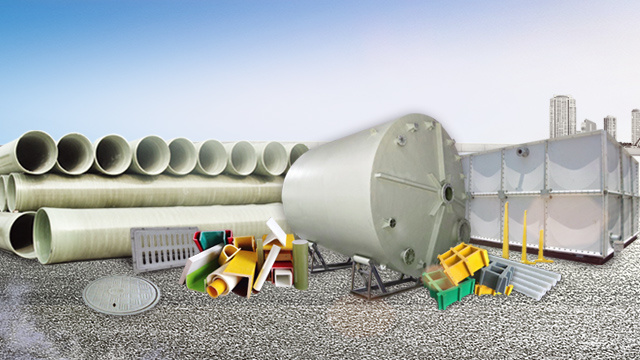
Introduction to the Forming Process and Layer Structure of Fiberglass Tanks
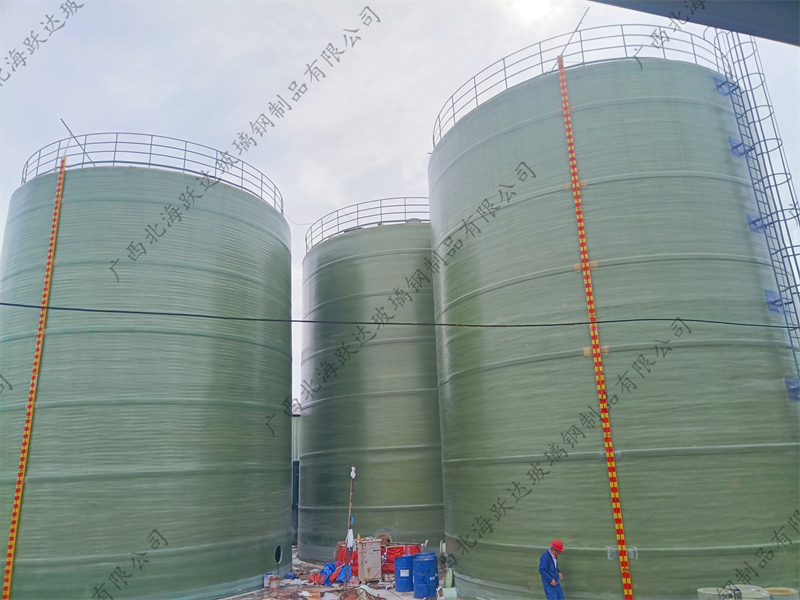
Fiberglass tanks are a type of non-metal composite material tank body made from resin and fiberglass through microcomputer-controlled winding machines. Below is an introduction to the molding process of fiberglass tanks and the layered structure of the tank walls. The advent of large-diameter fiberglass winding technology has allowed fiberglass to develop towards large storage tanks. Compared to traditional horizontal winding processes, vertical winding technology solves the problem of not being able to wind large-diameter products as a whole, requires less space during production, and allows for a maximum tank diameter of up to 25 m. The advantages of vertical winding are reflected in the following four aspects: (1) It enables the winding of large-diameter products. (2) The inner layer, structural layer, and outer layer are formed in one go, with no longitudinal seams in the lining, which improves the strength of the product. (3) In addition to circumferential winding, spiral winding is introduced during the winding process. The winding angle can be designed according to the stress conditions of the product, adjustable between 65° and 85°. Spiral winding breaks through the traditional concept that fiberglass products belong to laminated structures, not only improving the axial strength of the product but also greatly enhancing the structural performance of the tank, such as interlayer shear strength, bending strength, creep resistance, wind resistance, and earthquake resistance. (4) The product is vertically demolded, avoiding inversion during the demolding process, ensuring product quality. The curing system uses methyl ethyl ketone peroxide (MEKP) and cobalt salt for room temperature curing, supplemented by infrared heating for rapid curing, significantly reducing energy consumption during the curing process. A reasonable layering structure is a good guarantee of the strength and corrosion resistance of fiberglass. The tank wall of the fiberglass storage tank consists of the following three layers: (1) Inner layer: Composed of a resin-rich layer and an intermediate layer. The resin-rich layer is reinforced with organic fiber polyester felt and has a resin content of over 90%, with a thickness of about 0.5 mm. This layer has good air tightness and is very smooth, mainly providing corrosion resistance and impermeability. The intermediate layer is composed of lining resin and alkali-free glass fiber spray yarn, with a resin content of 70%-80% and a thickness of about 2 mm. The main function of this layer is to protect the resin-rich layer, enhance the inner layer's ability to withstand internal pressure failure, and prevent crack propagation. (2) Structural layer: Also known as the reinforcement layer, it uses untwisted glass fiber yarn and is reinforced with glass fabric (or chopped fiber felt) to withstand tensile stress, compressive stress, and various external loads, protecting the inner layer. The resin content is 30%-40%, and its thickness is determined based on load conditions. Adding an appropriate amount of filler to the resin can improve the wear resistance of the fiberglass. (3) Outer layer: Also known as the outer resin-rich layer, with a resin content greater than 90% and a thickness of about 1.5 mm. It is reinforced with glass fiber surface felt, and sometimes thin glass strips of 0.1-0.2 mm can also be used for reinforcement, while UV absorbers are added to the resin to prevent aging. This layer mainly protects the outer wall from external mechanical damage and provides UV protection. This concludes the introduction to the molding process and layered structure of fiberglass tanks. We hope this information is helpful to everyone. Guangxi Fiberglass Products Co., Ltd. is a professional manufacturer of fiberglass products, and our products are well-received by users. We welcome inquiries.
2022/09/27
Introduction to the characteristics of fiberglass reinforced sand pipes:
The fiberglass reinforced sand pipe can resist long-term erosion from various acids, alkalis, salts, organic solvents, seawater, sewage, and other chemical media during use. Of course, different types of pipes can be selected based on the category of the medium and the operating temperature. Below, I will introduce the characteristics of fiberglass reinforced sand pipe products.
2022/09/23
recommend News

WeChat Public Number
Mobile website
Contact Us
Telephone:0779-2096111
Mailbox:282911489@qq.com
Address: 200 m north of the intersection of Hong Kong Road and Southwest Avenue in Beihai Industrial Park


©2023 Guangxi Beihai Yueda FRP Products Co., Ltd. All rights reservedSEO Tags