Hotline:15078906688
E-mail:282911489@qq.com
- All
- Product Management
- News
- Introduction
- Enterprise outlets
- FAQ
- Enterprise Video
- Enterprise Atlas


Blog
BEIHAI YUEDA FRP PRODUCTS

The widespread application of fiberglass cover plates.
Currently, many electroplating factories, battery factories, and mechanical factories have acid washing workshops; chemical plants, smelting plants have electrolysis workshops, and power plants have chemical disposal workshops; pharmaceutical factories, dyeing factories, salt mines, etc., all have many trenches. These trenches often contain corrosive liquids. Traditional trenches use materials such as angle steel, flat iron welded grates, cast iron grates, and cement covers, which are not corrosion-resistant and can be damaged in a few months to a few years, leading to a fragmented appearance in the workshop. Using fiberglass grating covers can effectively address corrosion issues. They allow for easy drainage of wastewater into the trenches and facilitate regular inspections of the trench conditions. In fact, fiberglass covers are commonly seen in daily life, from community stair treads to fountain covers, from sewer manhole covers to lawn walkways, showcasing the versatility of fiberglass grating covers. Due to the addition of a layer of fiberglass cover on top of the traditional grating, the performance of fiberglass grating covers has been significantly enhanced. They not only show great improvements in strength, hardness, wear resistance, and slip resistance, but they also possess better corrosion resistance. This effectively reduces the corrosion caused by rainwater, dust, oil stains, and debris on the cover, doubling the service life and making it an excellent choice for corrosion prevention. Guangxi Fiberglass Products Co., Ltd. is a professional manufacturer of fiberglass grating, fiberglass grating boards, fiberglass covers, fiberglass grating covers, and fiberglass trench boards. We welcome your inquiries.
2019/08/23
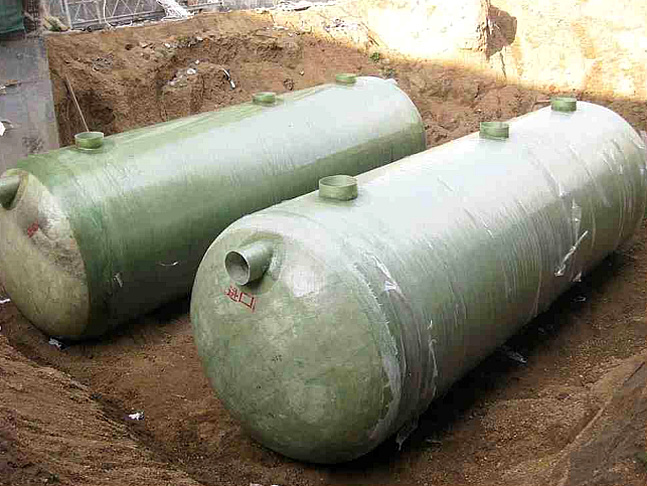
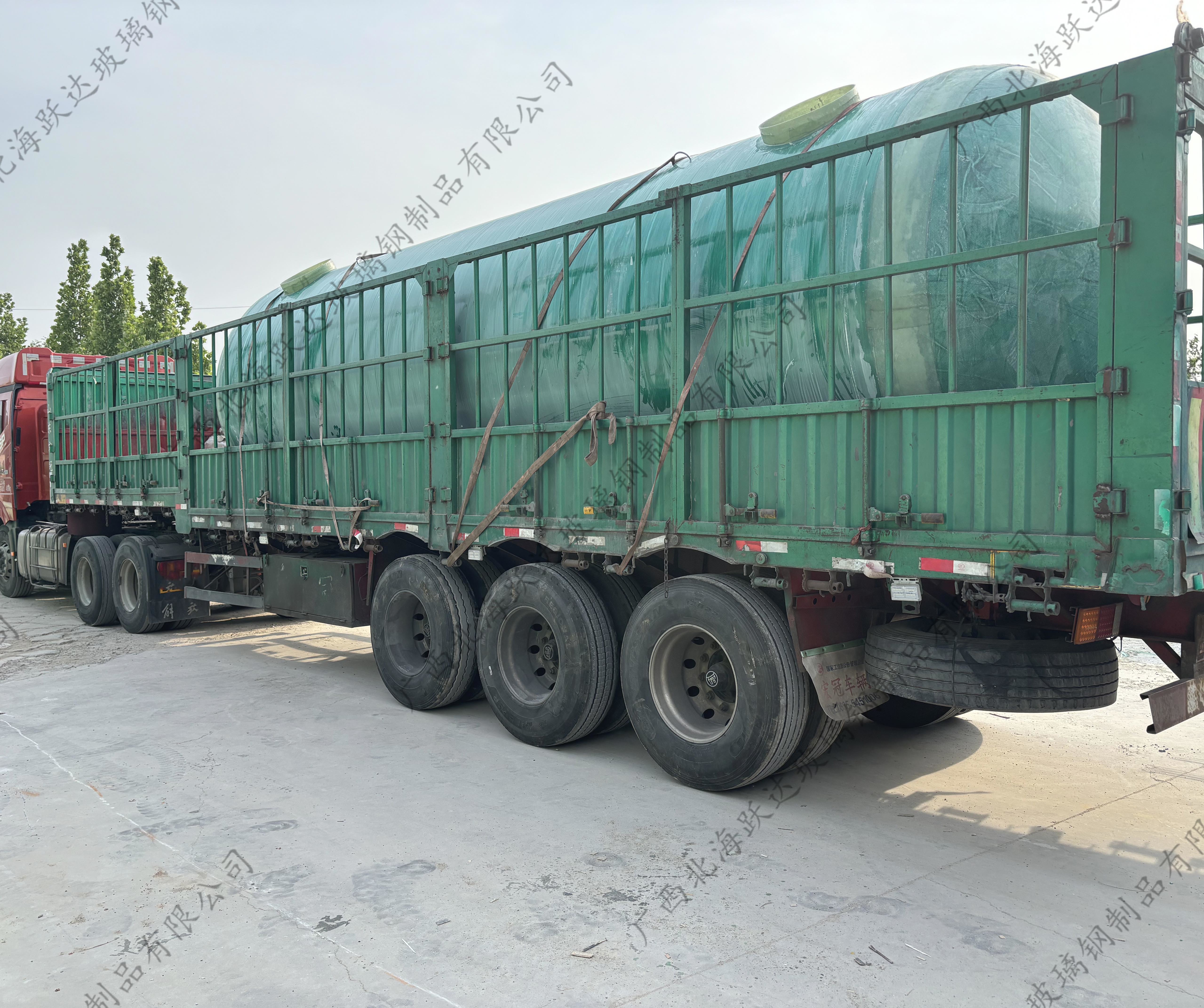
A Brief Analysis of the Factors Influencing the Price of FRP Storage Tanks
Fiberglass storage tanks have corrosion resistance, high strength, light weight, and long service life. Due to their flexible design capabilities and strong processability, they can be designed for use in various industries such as chemical, environmental protection, food, and pharmaceuticals, gradually replacing carbon steel and stainless steel in many market areas. The main factors affecting the price of fiberglass storage tanks include the manufacturing process, materials, performance requirements, and appearance quality. 1. The impact of material selection on the price of fiberglass storage tanks: 1. The fiberglass storage tank industry standard recommends using alkali-free glass fiber and its fabrics to manufacture fiberglass storage tanks. Alkali-free glass fiber and its fabrics are...
2019/08/12
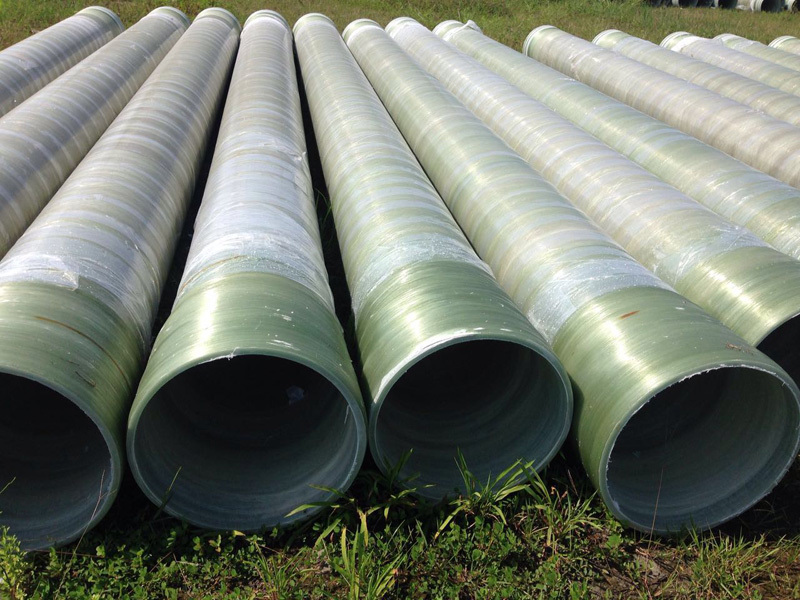
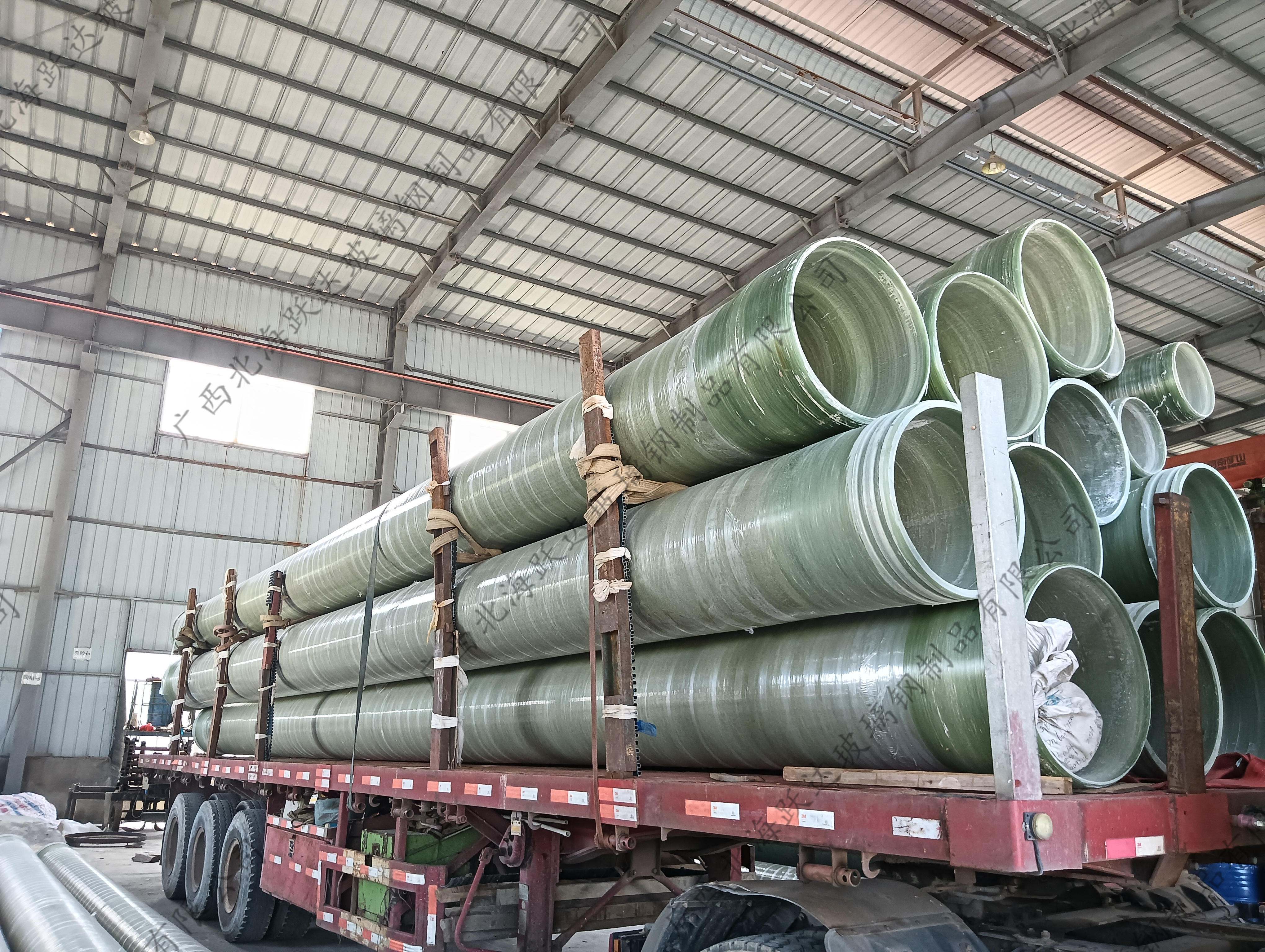
The production process of fiberglass pipes.
The production processes of fiberglass pipes mainly include three types: continuous fiber winding process, reciprocating fiber winding process, and centrifugal casting process. 1. Continuous Fiber Winding Process (Continuous Method): This process involves the pipe being formed while in motion through a feeding station that supplies resin-impregnated non-twisted roving, chopped fiberglass, and a resin-sand mixture. The pipe is continuously produced as it advances over a core mold. 2. Reciprocating Fiber Winding Process (Fixed-Length Method): In this method, the resin dipping tank moves back and forth in conjunction with the rotating core mold. Long fiberglass strands are placed at a certain angle relative to the core mold axis, and the angle of winding is influenced by the movement of the resin dipping tank.
2019/08/05

Classification and Performance Analysis of Insulating Materials
Insulating materials are materials that do not conduct electricity under permissible voltage, but they are not absolutely non-conductive. The insulating materials industry in our country has developed over more than 50 years and has initially formed an industrial system with a relatively complete range of products, comprehensive supporting facilities, considerable production scale, and research strength. Especially in the past 20 years, the variety of insulating materials has developed rapidly, and the quality has greatly improved, with product levels reaching a new height. There are many types of insulating materials, which can be divided into three main categories: gas, liquid, and solid. Common gas insulating materials include air, nitrogen, sulfur hexafluoride, and insulating PC films. The main liquid insulating materials include mineral insulating oil and synthetic...
2019/07/24

City's Beauty Representative - Fiberglass Tree Grates
In order to protect the environment, trees are planted along urban roads. On one hand, this can purify the air, and on the other hand, it enhances the aesthetic appeal. However, the size of tree pits is relatively large, and if the surrounding fences are not properly managed, it can lead to issues of uncontrolled growth. In such cases, tree grates need to be installed. Tree grates, also known as tree protection boards or tree pit covers, consist of two fiberglass grates and are mainly used in parks, street green belts, and various places for covering the tree pits of green trees. They serve to protect the roots of the trees, reduce moisture evaporation, and minimize soil erosion. Additionally, since the tree grates fit closely around the tree trunk, the entire tree pit appears cleaner and tidier.
2019/07/16

What is fiberglass reinforced resin material?
Glass fiber reinforced resin composite materials, commonly known as fiberglass, are internationally recognized by the abbreviations GFRP or FRP. They are a type of functional new composite material made from synthetic resin and glass fiber through a composite process, playing an important role in national economic construction. Glass fiber reinforced resin composite materials have characteristics such as lightweight, high strength, corrosion resistance, good electrical insulation, slow heat transfer, good thermal insulation, excellent performance under instantaneous ultra-high temperatures, easy coloring, strong designability, and excellent processability. Therefore, they are widely used in aerospace, railways, decorative architecture, home furniture, building materials and sanitary ware, and environmental sanitation projects, among others.
2019/07/02
Comparison and Analysis of Traditional Septic Tanks and Fiberglass Septic Tanks
In the original municipal drainage projects, most septic tanks were made of brick or reinforced concrete. However, after years of use, it has been found that these two traditional septic tanks have some defects in construction, technology, working principles, and design. 1. Leakage of the tank body Traditional septic tanks are mainly made of brick or cast from reinforced concrete. The reasons for leakage in these two types of septic tanks include: ① material and process issues, especially with brick septic tanks; ② uneven foundation settlement; ③ minor earthquakes. Data shows that due to the leakage of traditional septic tanks, the water 50 meters deep in urban areas has been polluted for a long time. Therefore, changing the materials and manufacturing processes of septic tanks is the fundamental solution to the leakage problem. 2. Complicated construction process and long construction period Both brick septic tanks and reinforced concrete septic tanks are constructed on-site, with a complicated construction process and a long construction period, making it difficult to control various factors, especially when the groundwater level is high, which prevents quality and timely construction. 3. High overall cost With the increase in prices of bricks, cement, steel, sand, gravel, and labor in recent years, the cost of traditional septic tanks has risen. Additionally, due to the long construction period and high labor costs, the overall cost is not low. 4. Unsafe construction During the construction of traditional brick and concrete septic tanks, accidents resulting in injuries and fatalities due to foundation pit collapses occur frequently. 5. Low degradation level of domestic sewage 6. Large land area In summary, both types of traditional septic tanks have unresolved defects. Fiberglass septic tanks are specially designed equipment for treating domestic sewage, made from synthetic resin as the base material and reinforced with fiberglass, making them a new technological product. Compared to traditional septic tanks, they have many advantages. 1. Good anti-leakage performance The product uses high polymer materials as the base material, ensuring good sealing. 2. Small land area The product occupies only 60-80% of the area of brick and concrete septic tanks, saving land and increasing flexibility in site selection. 3. Fast construction speed The product is prefabricated in a factory, allowing for quick on-site construction, even during high groundwater levels or rainy seasons. 4. Longer cleaning cycle With sufficient anaerobic fermentation, the amount of sludge accumulation is greatly reduced, extending the cleaning cycle by 3-4 times, significantly lowering subsequent operation and maintenance costs. 5. Lower overall cost The overall cost is more economical compared to brick and concrete septic tanks. 6. Durable Fiberglass septic tanks are not prone to aging or deformation, resistant to acid and alkali, and corrosion-resistant, with a lifespan equal to that of the building, eliminating the issues of traditional septic tanks not being suitable for acidic wastewater. Guangxi Beihai Yueda Fiberglass Products Co., Ltd. was established in 2009, and the fiberglass septic tanks produced by the company have a very high level of craftsmanship and are well received by a wide range of users.
2019/06/11

The use of fiberglass trench covers.
The fiberglass trench cover is a type of plate material made from fiberglass as the reinforcing material and unsaturated polyester resin as the matrix, processed through special composite techniques to create a plate with many voids. It comes in various models to suit different span loads and requirements, and is widely used in municipal roads, garden facilities, residential communities, schools, and sports venues. Fiberglass trench covers are mainly used in some factories and high-end residential areas, primarily because cement trench covers are often crushed and the pavement is also damaged. The fiberglass trench cover has the following characteristics: 1. Safety and anti-slip; high elastic modulus and different surface effects make fiberglass trench covers...
2019/06/04
recommend News

WeChat Public Number
Mobile website
Contact Us
Telephone:0779-2096111
Mailbox:282911489@qq.com
Address: 200 m north of the intersection of Hong Kong Road and Southwest Avenue in Beihai Industrial Park


©2023 Guangxi Beihai Yueda FRP Products Co., Ltd. All rights reservedSEO Tags