Hotline:15078906688
E-mail:282911489@qq.com
- All
- Product Management
- News
- Introduction
- Enterprise outlets
- FAQ
- Enterprise Video
- Enterprise Atlas


Blog
BEIHAI YUEDA FRP PRODUCTS
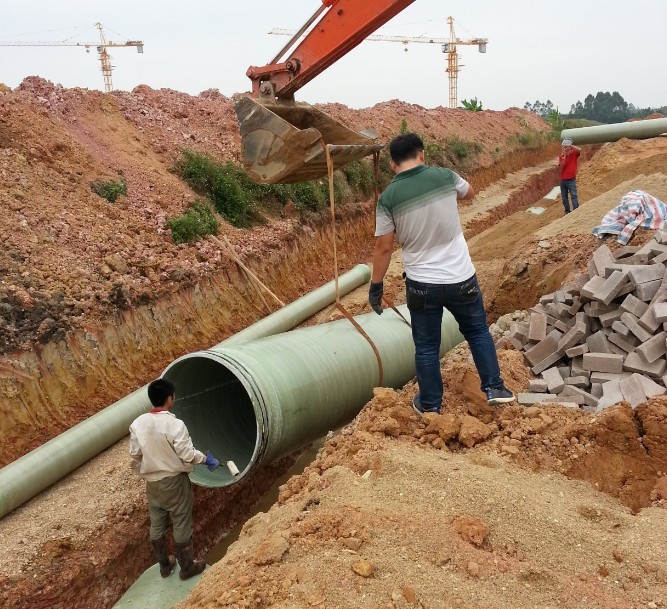
The many advantages of fiberglass pipes have been recognized by users!
Fiberglass pipes are a type of lightweight, high-strength, and corrosion-resistant non-metallic piping. They are made of fiberglass with a resin matrix, which can be wound layer by layer around a rotating mandrel according to process requirements. Quartz sand is evenly distributed between the fibers as a sand layer, maintaining a considerable distance.
2022/06/27
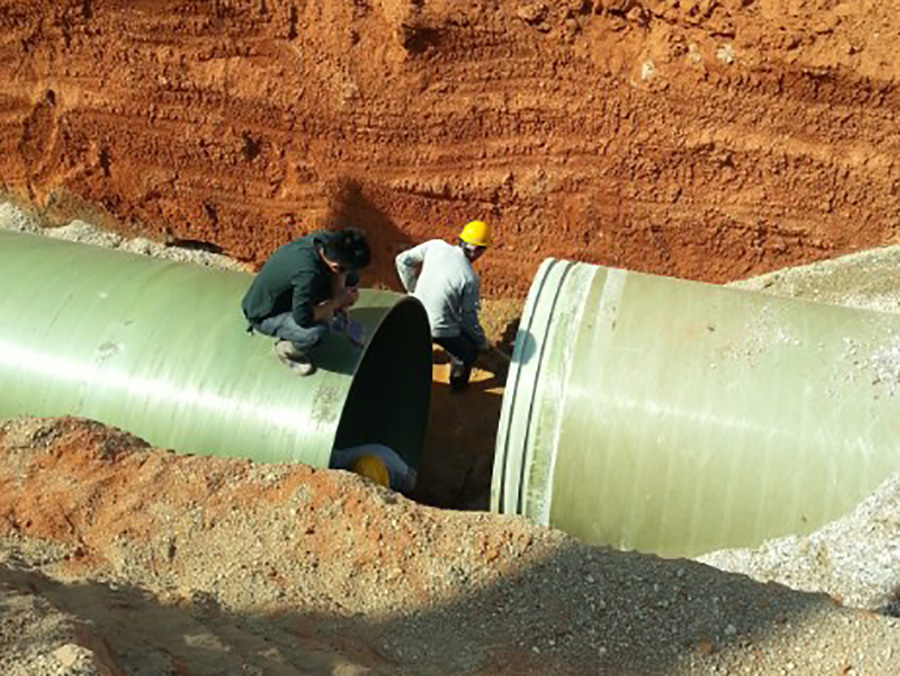
What are the advantages of fiberglass reinforced sand pipes?
Due to its outstanding corrosion resistance and excellent composite performance, fiberglass has become a dominant force in modern composite material technologies and is widely used. Research on fiberglass pipes in China began in the late 1960s, but it was not until after 1987 that it was widely applied. Currently, it has been promoted and applied in most regions of China, especially in economically developed areas. With the development of industry and technological advancement, fiberglass sand-coated pipes have been developed based on fiberglass pipes. As the name suggests, fiberglass sand-coated pipes are mainly composed of high tensile strength fiberglass, pressure-resistant and wear-resistant quartz sand, and resin.
2022/06/06
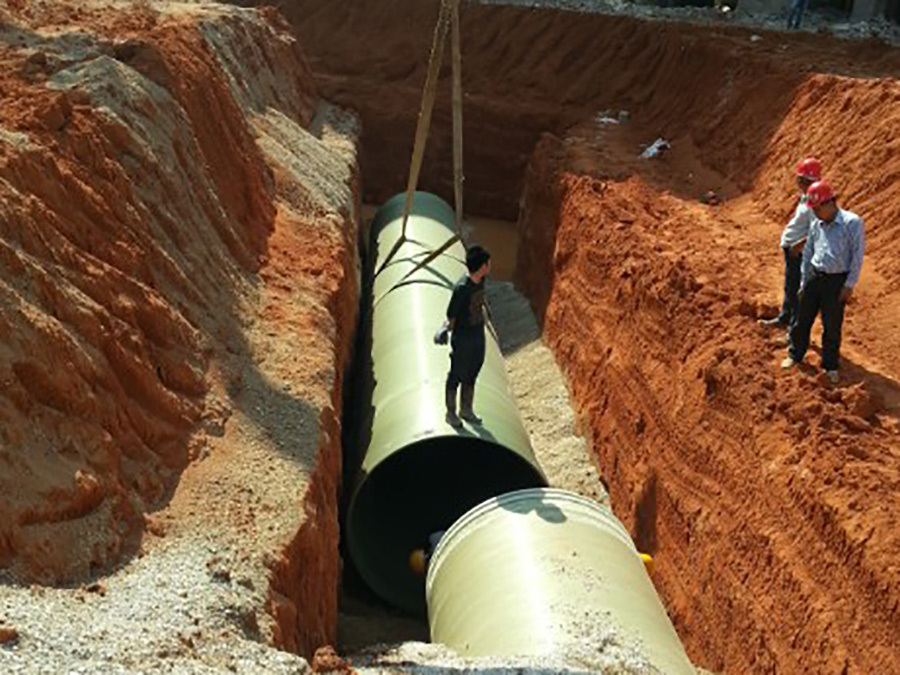
Let's talk about the advantages of fiberglass pipes and the issues related to storage.
Let me talk about the advantages of fiberglass pipes and the issues related to their storage. Fiberglass pipes are widely used due to their lightweight, high strength, and strong corrosion resistance. They can be applied in various fields such as oil pipelines, chemical pipelines, power pipelines, pharmaceutical pipelines, pulp, urban water supply and drainage pipelines, industrial wastewater pipelines, seawater desalination pipelines, gas pipelines, and natural gas pipelines. However, during the use of fiberglass pipes, some issues may arise, which we will analyze here.
2022/05/23
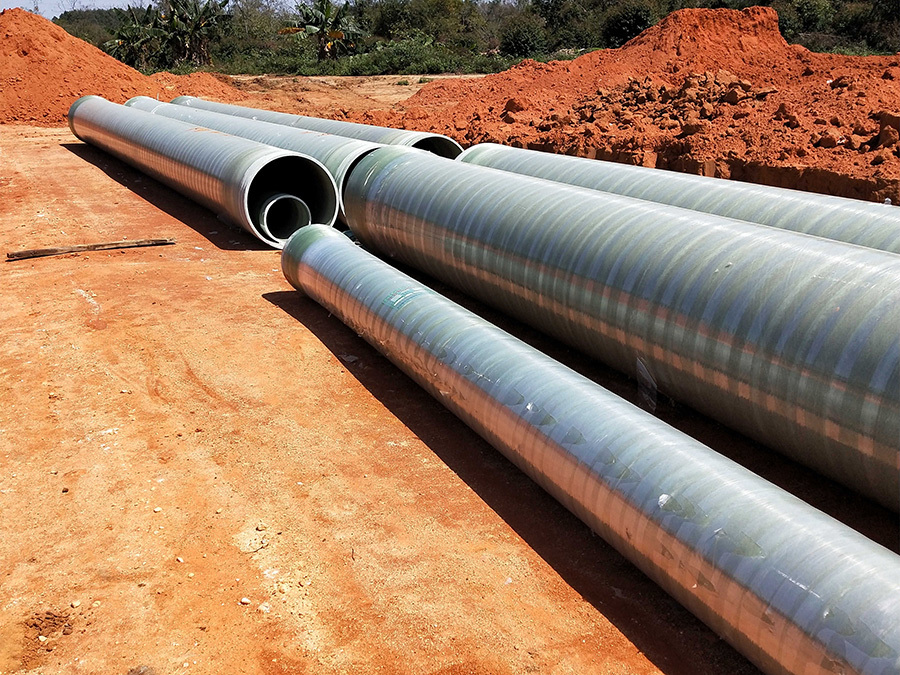
Strategies for Dealing with Issues in Fiberglass Reinforced Plastic (FRP) Pipes
Fiberglass reinforced plastic (FRP) pipes are non-metallic pipes made from resin (food-grade resin for drinking water), fiberglass, and quartz sand, produced using special processes. As a composite material with excellent overall performance, FRP pipes are widely used in more complex industrial environments due to their unique advantages. FRP sand-coated pipes have strong corrosion resistance, smooth inner surfaces, low energy consumption, long service life (over 50 years), convenient transportation and installation, low maintenance costs, and overall low costs. They have been widely applied in industries such as electricity, chemicals, papermaking, urban water supply and drainage, factory wastewater treatment, seawater desalination, and natural gas transportation. Many factories have encountered safety hazards due to improper material selection, leading to significant expenses for repairs or replacements. Therefore, the quality of materials plays a decisive role in the development of factories and even companies. The main issues with FRP pipes include delamination caused by: (1) old tape, (2) tape that is too small or uneven, (3) low temperature of the hot roller, preventing the resin from melting properly, (4) low tension of the bonding fabric, and (5) excessive amounts of degreaser that prevent the core fabric from being dyed. Solutions for FRP pipes include: (1) ensuring that the adhesive content of the tape and soluble resin meets quality requirements, (2) adjusting the temperature of the hot roller so that the tape passes through it, making the tape soft and viscous, and ensuring the core is firm, (3) adjusting the tension of the tape, and (4) avoiding the use of oily desulfurizers or reducing their quantity. For the foaming of the inner wall, it is important to pay attention to operations and ensure that the guiding fabric adheres to the core. The main reason for post-curing foaming is that the volatile content in the tape is too high, while the rolling temperature is low and the rolling speed is fast, preventing volatile substances in the tape from evaporating in time and remaining in the pipe. When the pipe is heated and cured, the residual volatile substances expand, causing foaming. The solution is to control the volatile content of the tape, appropriately increase the winding temperature, and reduce the winding speed. The wrinkling of the pipe after curing is caused by a high content of adhesive in the adhesive. The solution is to reduce the tape content and lower the rolling temperature. The causes of voltage resistance issues are: (1) insufficient tape tension, low rolling temperature, or fast rolling speed, leading to poor adhesion between fabrics and excessive residual volatiles in the pipe, and (2) incomplete maintenance of the pipe. Solutions include: (1) increasing tape tension, raising rolling temperature, or slowing down the rolling speed, and (2) adjusting the curing process to ensure the hose is fully cured. 1. Due to its low density and lightweight, FRP pipes are prone to floating in areas with high groundwater levels. Therefore, it is necessary to consider anti-floating measures for urban docks or rainwater runoff dredging. 2. In the construction of T-joint openings and repairs of pipe cracks in FRP pipe installation, the resin and fiber cloth used in construction need to cure within 78 hours, similar to the complete conditions in factories. However, on-site construction and maintenance often struggle to meet this requirement. 3. Existing underground pipeline detection equipment is mainly used for detecting metal pipes, while non-metallic pipeline detection equipment is expensive and cannot detect buried FRP pipes. Other subsequent construction units are prone to excavating and damaging the pipes during construction. Guangxi Fiberglass Products Co., Ltd. is a professional manufacturer of FRP pipes, and its products are well-received by users. All products are designed, produced, and inspected in strict accordance with relevant national standards. We welcome inquiries.
2022/05/20
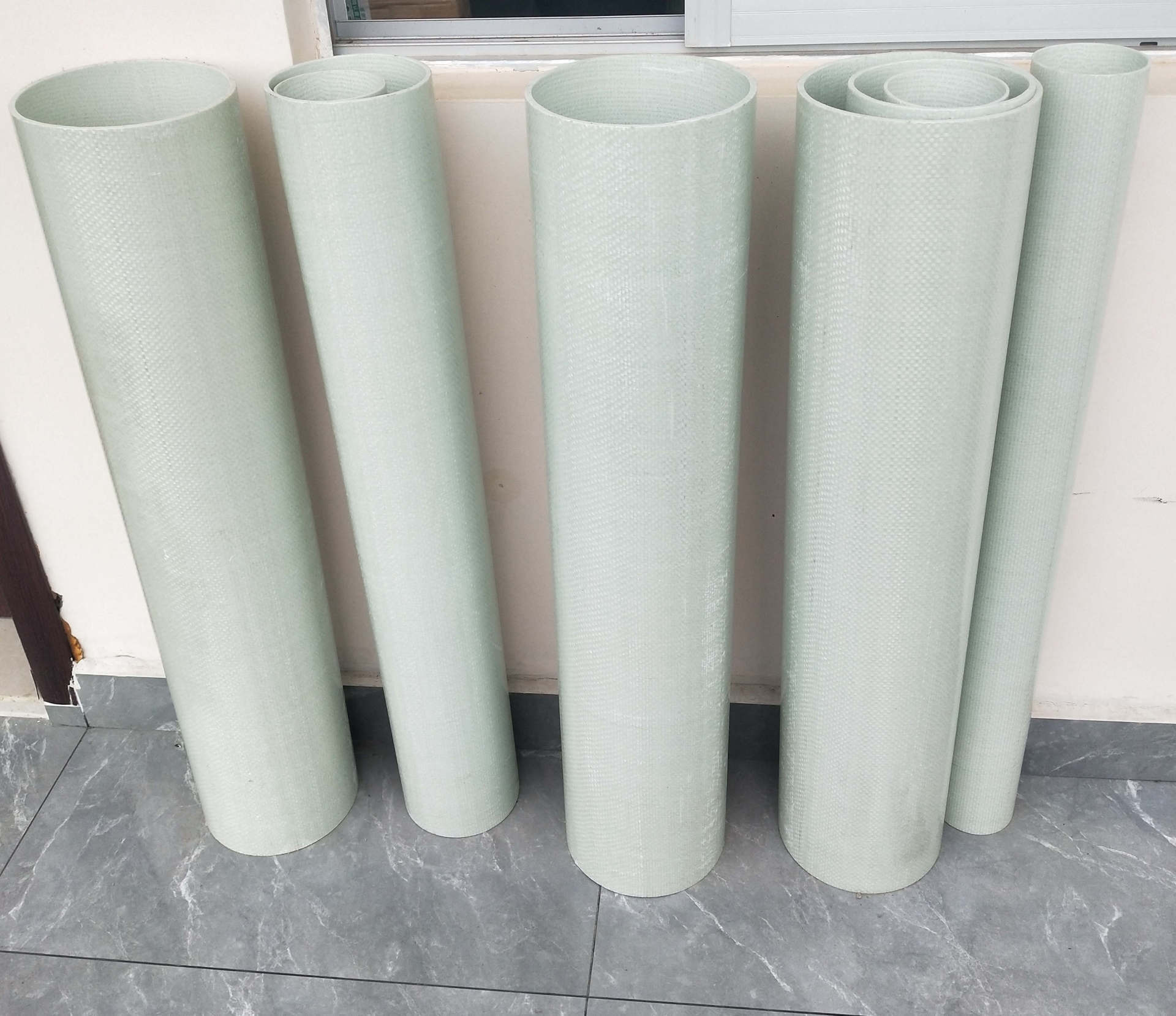
Let me talk about the use of fiberglass pipes and the methods for connecting them.
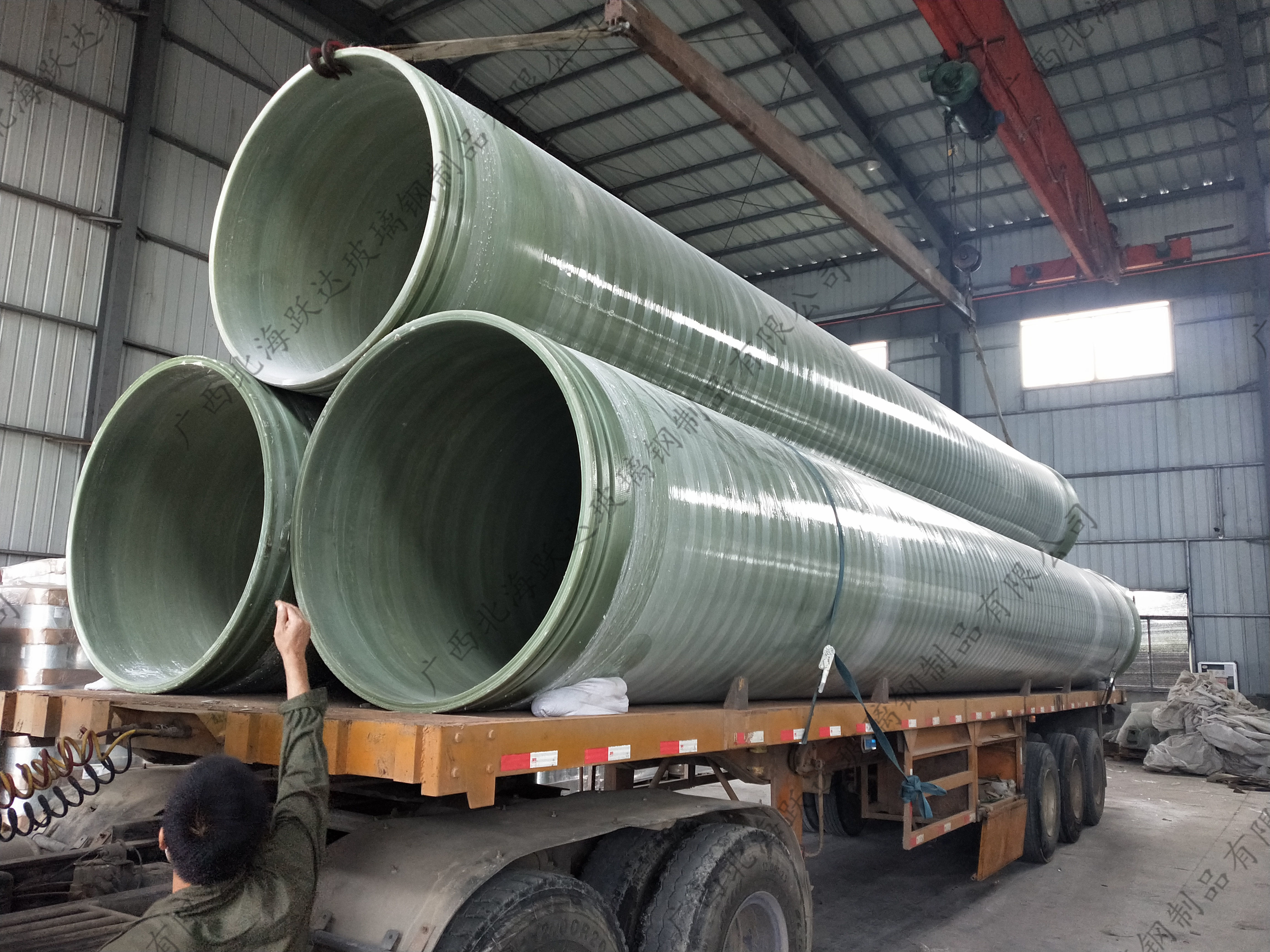
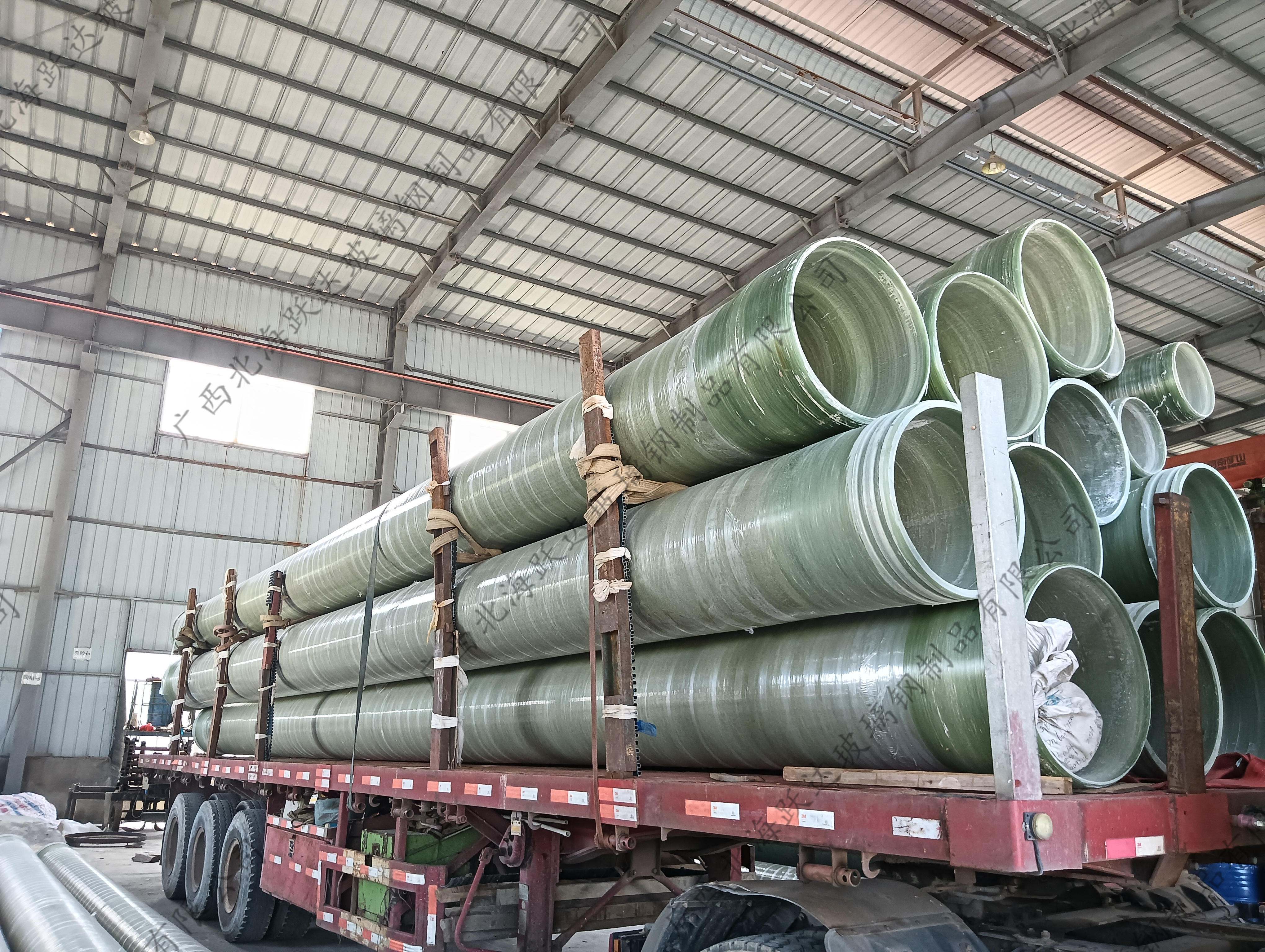
Let me talk about the use of fiberglass pipes and the methods for connecting them. Installation is simple, and the length of fiberglass pipes is not technically limited. However, for transportation considerations, the length of the pipes is generally kept within 12 meters, which significantly reduces the number of joints required. Due to the lightweight nature of fiberglass, manual or lightweight installation equipment can be used, making the installation of the pipes convenient and quick.
2022/05/06
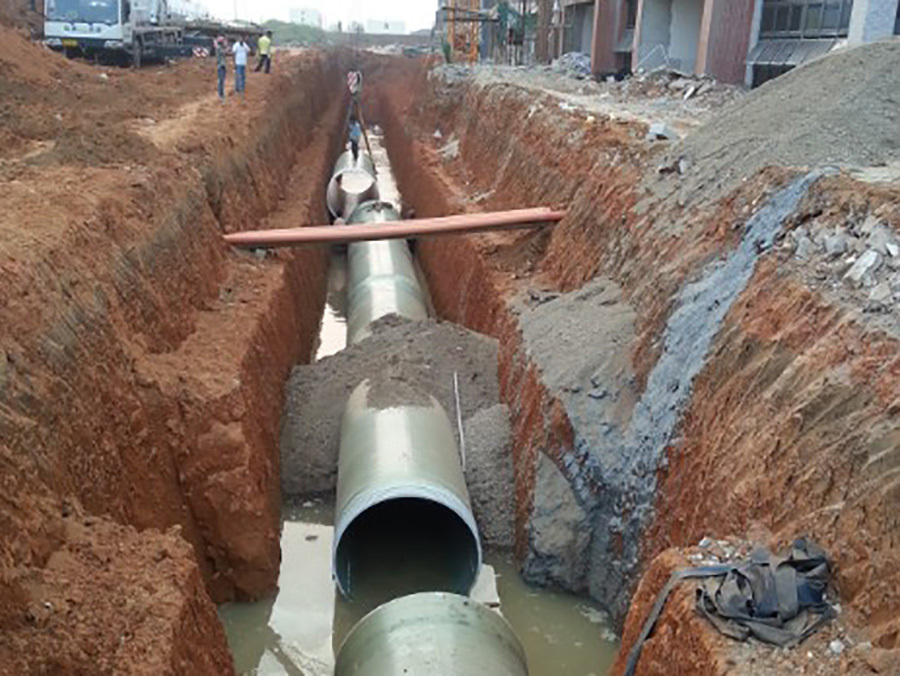
The benefits of fiberglass reinforced sand pipes.
The inner surface of the sand-clay fiberglass pipe is dense and smooth, with a friction coefficient of only about 0.0084, which is much lower than that of steel and concrete pipes. Therefore, it has good hydraulic characteristics, significantly reducing fluid pressure loss along the way and improving transport capacity. Its outer surface is also very smooth, which can significantly reduce the friction resistance during lifting in construction.
2022/04/21
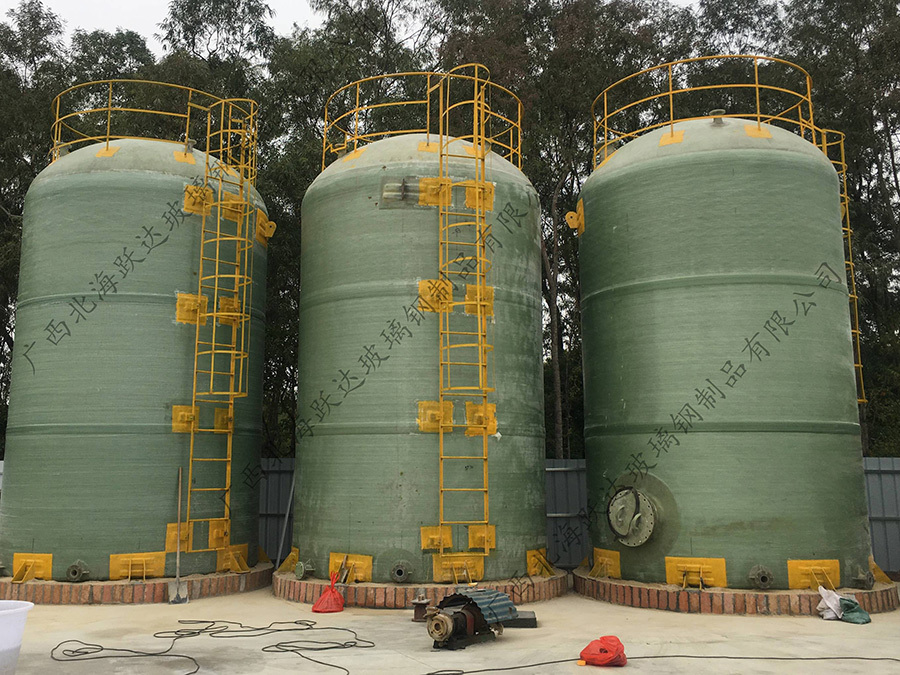
recommend News

WeChat Public Number
Mobile website
Contact Us
Telephone:0779-2096111
Mailbox:282911489@qq.com
Address: 200 m north of the intersection of Hong Kong Road and Southwest Avenue in Beihai Industrial Park


©2023 Guangxi Beihai Yueda FRP Products Co., Ltd. All rights reservedSEO Tags